
Top 7 Mistakes Self-Employed Borrowers Make (And How to Avoid Them)
Navigating self-employed mortgages can be tricky. Avoid common pitfalls like insufficient documentation and income miscalculations to secure your dream home faster.

Download Our Free Self-Employed Mortgage Checklist
Get proven tips to boost your approval chances. Enter your details now!
As a self-employed borrower—whether freelancer, contractor, or business owner—getting a mortgage requires extra preparation. Lenders view your income as less predictable, leading to stricter scrutiny. Avoid these top 7 self-employed mortgage mistakes to improve your odds and secure better terms.
1. Insufficient Documentation

The most common pitfall is under-preparing paperwork. Lenders typically require two years of tax returns, profit & loss statements, 1099s, and bank statements.
How to Avoid: Organize records early using accounting software. Work with a CPA familiar with mortgage needs.
2. Over-Aggressive Tax Deductions Reducing Qualifying Income
Many self-employed borrowers maximize write-offs to minimize taxes, but this lowers net income on returns—the figure lenders use for qualification.
How to Avoid: Balance deductions with future borrowing goals. Consult a tax advisor to adjust strategies before applying.
3. Ignoring or Having a Low Credit Score
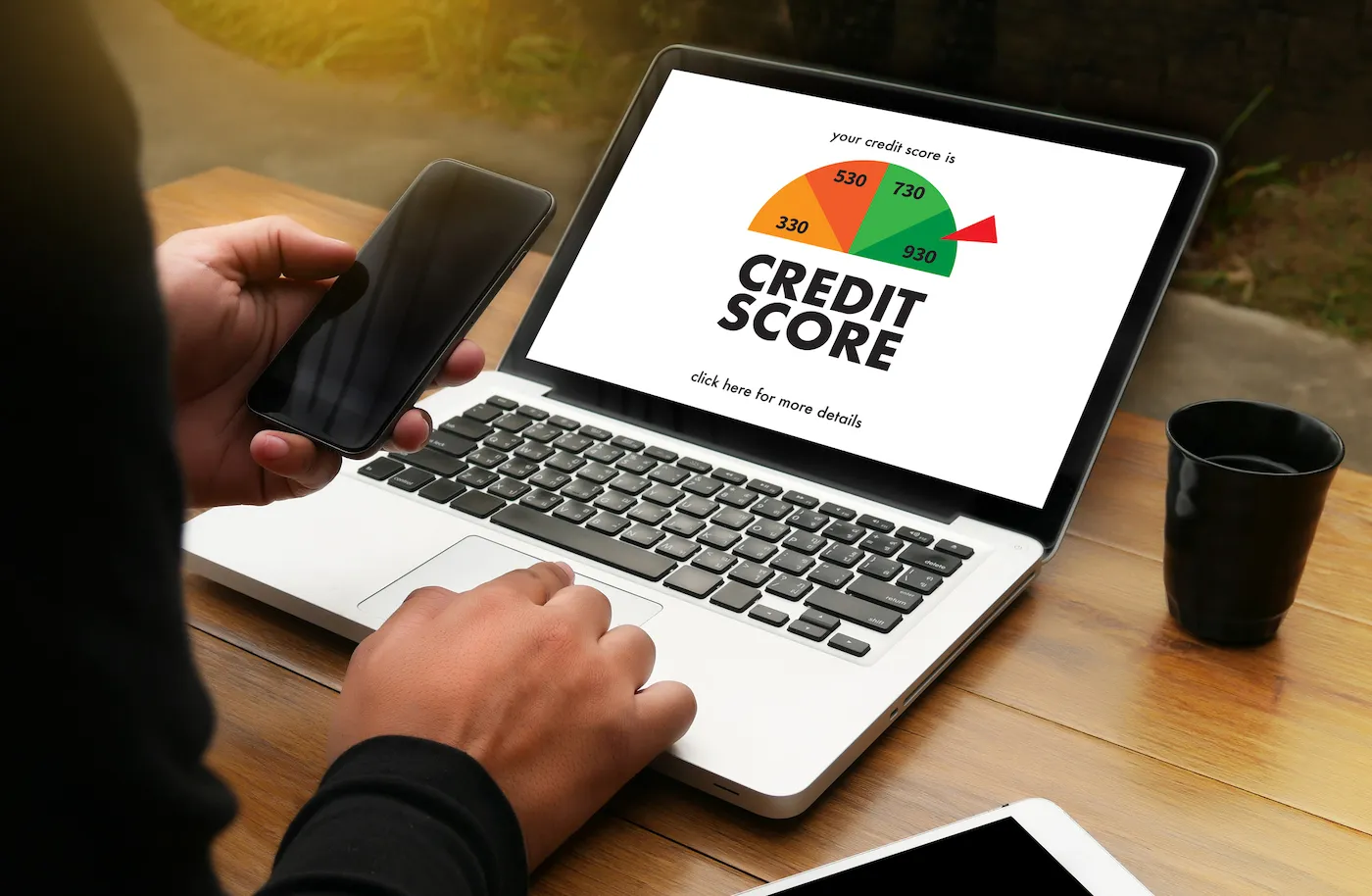
Credit issues amplify risk for lenders already cautious about variable income.
How to Avoid: Monitor your score regularly, dispute errors, and pay down debts. Aim for 700+ for best rates.
Need Personalized Self-Employed Mortgage Advice?
Get a free consultation tailored to your situation.
4. Applying with Less Than Two Years of Self-Employment
Most lenders require two full years of self-employment history for stability proof.
How to Avoid: If under two years, highlight prior related W-2 experience. Consider non-QM options like bank statement loans if needed.
5. Choosing the Wrong Lender
Not all lenders are experienced with self-employed files, leading to denials or poor terms.
How to Avoid: Seek specialists in self-employed mortgages or use a broker to shop multiple options.
6. High Debt-to-Income Ratio from Business Expenses
Personal credit commitments or business debts can push DTI too high.
How to Avoid: Pay down debts before applying and separate business/personal finances clearly.
7. Poor Timing or Recent Business Changes
Applying after a down year or major business shift signals instability.
How to Avoid: Wait for consistent income trends and avoid big changes during underwriting.

Conclusion
Avoiding these common self-employed mortgage mistakes puts you in a stronger position for approval. Preparation and expert guidance are key to success.
Ready to Apply for Your Self-Employed Mortgage?
Contact us today for expert help.
Frequently Asked Questions
How is income calculated for self-employed mortgages?
Lenders average net income (after deductions) from the last two tax returns.
Can I get a mortgage with one year of self-employment?
Possible with some lenders via non-QM loans, but two years is preferred.
What documents are needed for self-employed borrowers?
Two years of tax returns, P&L statements, bank statements, and business licenses.